
Substance Use Disorder (SUD) is a complex medical condition that affects a person’s brain, behavior, and overall well-being. Like many other health conditions, SUD can be effectively treated with the right combination of professional care, evidence-based therapies, and ongoing support. While recovery can be challenging, it is possible, and many people go on to lead healthier, more fulfilling lives with the right treatment.
Because every person’s experience with addiction is different, there is no one-size-fits-all approach to recovery. Effective care begins with a personalized treatment plan that addresses not only substance use but also the emotional, psychological, and behavioral factors that may be contributing to it. Depending on an individual’s needs, treatment may include individual therapy, specialized approaches such as Dialectical Behavior Therapy (DBT) or Eye Movement Desensitization and Reprocessing (EMDR) to address underlying trauma, as well as psychiatric care and medication management when appropriate. Together, these approaches help individuals develop healthier coping strategies, improve their mental well-being, and support long-term recovery.
In this guide, we’ll explain how Substance Use Disorder is treated, explore the role of different evidence-based therapies, and discuss how a comprehensive, individualized treatment plan can help support lasting recovery.
What Is Substance Use Disorder (SUD)?
Substance Use Disorder (SUD) is a medical condition characterized by the repeated use of alcohol or drugs despite negative effects on a person’s health, relationships, work, or daily responsibilities. It can involve a variety of substances, including alcohol, opioids, prescription medications, cannabis, stimulants, and other drugs.
Over time, repeated substance use can change how the brain functions, particularly in areas responsible for reward, motivation, decision-making, and self-control. Substance Use Disorder exists on a spectrum and may be classified as mild, moderate, or severe depending on the number and impact of symptoms a person experiences. Common signs may include:
- Using more of a substance or for longer than intended
- Experiencing strong cravings or urges to use
- Continuing to use despite problems at work, school, or in relationships
- Needing more of the substance to achieve the same effect (tolerance)
Why Treating Addiction Is About More Than Stopping Substance Use
While stopping the use of alcohol or drugs is an important part of recovery, it is often only the beginning of the healing process. For many people, substance use develops as a way to cope with difficult emotions or life experiences rather than being the root problem itself.
Underlying challenges such as unresolved trauma, anxiety, depression, chronic stress, grief, or emotional pain can all contribute to the development of Substance Use Disorder. In some cases, people may turn to substances to temporarily numb emotional distress, manage overwhelming feelings, or escape painful memories. Although this may provide short-term relief, it does not address the underlying causes and can make those challenges more difficult to manage over time.
That’s why effective addiction treatment focuses on the whole person, not just the substance use. By identifying and addressing the emotional, psychological, and behavioral factors contributing to addiction, individuals can develop healthier coping strategies, improve their mental well-being, and reduce the risk of relapse. This comprehensive approach helps build a stronger foundation for long-term recovery.
The First Step Is The Comprehensive Assessment
The first step in treating Substance Use Disorder is a comprehensive assessment. Before recommending a treatment plan, clinicians take the time to understand each person’s unique experiences, challenges, and recovery goals. This helps ensure that care is personalized to the individual’s specific needs rather than taking a one-size-fits-all approach.
During an assessment, providers typically ask about a person’s substance use history, including the types of substances used, frequency of use, and any previous treatment experiences. They also evaluate mental and physical health, as conditions such as anxiety, depression, PTSD, or chronic medical issues can influence recovery and may need to be treated alongside addiction.
Understanding these factors provides a more complete picture of what may be contributing to substance use and what strengths can support the healing process.
The information gathered during this assessment forms the foundation of an individualized treatment plan. By addressing each person’s unique needs, providers can recommend the therapies, psychiatric care, and support services most likely to promote lasting recovery.
Using Individual Therapy For Building the Foundation
Individual therapy is often a core component of Substance Use Disorder treatment, providing a safe, confidential space to explore the thoughts, emotions, and experiences that may contribute to substance use.
During therapy, individuals can identify personal triggers, recognize unhelpful thought patterns, and learn healthier ways to cope with stress, cravings, and difficult emotions. Sessions also focus on building motivation for change, strengthening problem-solving skills, and creating a personalized plan for preventing relapse.
Because every recovery journey is different, individual therapy is personalized to each person’s needs, goals, and life experiences. As treatment progresses, therapists adjust their approach to help individuals overcome new challenges, celebrate progress, and continue building the skills needed for long-term recovery.
How DBT Helps People Manage Emotions Without Substance Use
For many people living with Substance Use Disorder, alcohol or drugs become a way to cope with overwhelming emotions, stressful situations, or difficult relationships. Dialectical Behavior Therapy (DBT) is an evidence-based approach that helps individuals replace these unhealthy coping mechanisms with practical, healthier skills.
DBT focuses on four core skill areas: mindfulness, distress tolerance, emotional regulation, and interpersonal effectiveness. Mindfulness helps individuals become more aware of their thoughts, emotions, and urges without acting on them impulsively. Distress tolerance teaches strategies for managing crises and intense emotions without turning to substances. Emotional regulation helps people better understand and manage their feelings, while interpersonal effectiveness builds communication and relationship skills that support healthier interactions with others.
By strengthening these skills, individuals are better equipped to cope with everyday challenges, reduce emotional reactivity, and navigate cravings in healthier ways. Over time, DBT can help build greater resilience, improve emotional well-being, and support long-term recovery by addressing many of the factors that contribute to substance use.

Develop Healthier Ways to Cope
Recovery is about more than stopping substance use. Dialectical Behavior Therapy (DBT) teaches practical skills for managing emotions, handling stress, improving relationships, and reducing the urge to turn to substances. Discover how DBT can help you build lasting resilience.
Addressing Underlying Trauma with EMDR Therapy
For some individuals, Substance Use Disorder is closely connected to unresolved trauma. Experiences such as childhood trauma, abuse, neglect, grief, or post-traumatic stress disorder (PTSD) can leave lasting emotional effects. As a result, people may use substances as a way to cope with painful memories or overwhelming emotions.
Eye Movement Desensitization and Reprocessing (EMDR) is an evidence-based therapy designed to help people process and heal from traumatic experiences. While EMDR does not treat addiction directly, it can address the underlying trauma that may be contributing to substance use. As traumatic memories become less emotionally distressing, many individuals find it easier to develop healthier coping strategies and focus on their recovery.
When appropriate, EMDR is often incorporated into a comprehensive treatment plan alongside individual therapy, psychiatric care, and other evidence-based approaches. By addressing both trauma and Substance Use Disorder, individuals can work toward healing the root causes of their struggles rather than only managing the symptoms.
Heal the Trauma Behind Addiction
For many people, unresolved trauma plays a significant role in Substance Use Disorder. EMDR therapy helps individuals process traumatic experiences, reduce emotional distress, and build a stronger foundation for long-term recovery. Learn how this evidence-based approach can support your healing journey.
The Role of Psychiatry and Medication Management
Psychiatry can play an important role in the treatment of Substance Use Disorder, particularly for individuals with co-occurring mental health conditions. It can also help those who may benefit from medication as part of their recovery plan. A psychiatrist works closely with individuals to evaluate their symptoms, diagnose any underlying mental health conditions, and develop a treatment plan tailored to their unique needs.
Depending on the individual’s circumstances, medication may be recommended to help reduce cravings, manage withdrawal symptoms, or treat conditions such as anxiety or depression that can contribute to substance use. Medication management also involves regularly monitoring how medications are working, making adjustments when needed, and ensuring they remain safe and effective throughout treatment.
At Mindfully, we offer comprehensive psychiatry services for children ages 10 and older, adolescents, and adults throughout Ohio. Appointments are available both in person at our Ohio locations and through secure online psychiatry services, making it easier to access personalized medication management and ongoing psychiatric care as part of a comprehensive recovery plan.
Treating Co-Occurring Mental Health Conditions
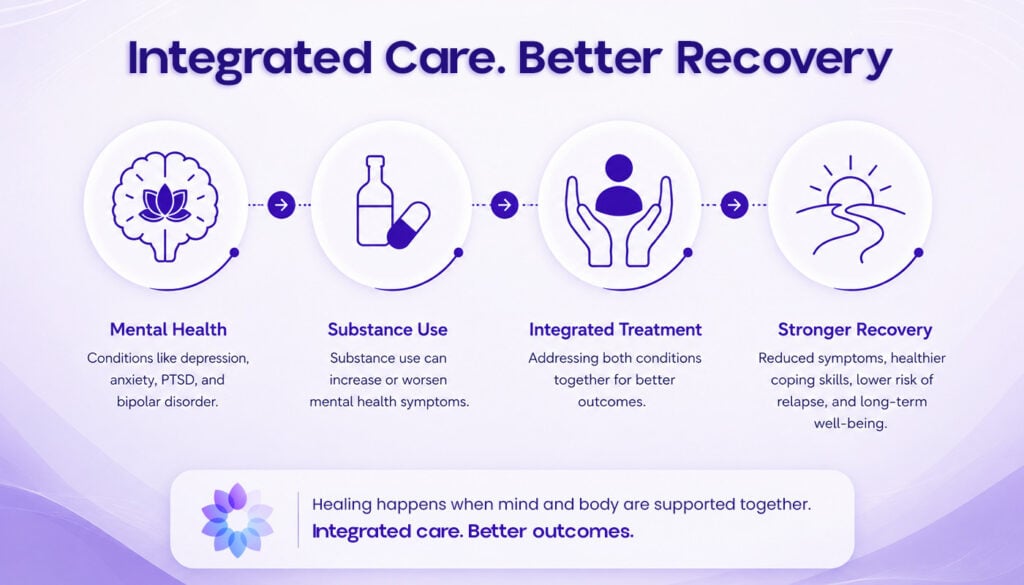
Many people with Substance Use Disorder also have a mental health condition. Common examples include depression, anxiety, post-traumatic stress disorder (PTSD), and bipolar disorder. These conditions can increase the risk of substance use, and substance use can make mental health symptoms worse.
Treating only the addiction may not address the underlying challenges affecting recovery. That’s why many treatment plans focus on both conditions simultaneously. This approach is known as integrated treatment.
By combining therapy, psychiatric care, and other evidence-based treatments, individuals receive support for both their mental health and substance use. Treating the whole person can help reduce symptoms, build healthier coping skills, lower the risk of relapse, and support long-term recovery.
Recovery Is More Than Quitting
Recovery is about more than stopping the use of alcohol or drugs. It is an ongoing process of improving your physical, emotional, and mental well-being. Over time, recovery can help you create a healthier and more fulfilling life.
As treatment progresses, many people begin rebuilding relationships with family and friends, establishing healthy daily routines, and developing greater emotional resilience. Therapy also helps individuals strengthen healthy coping skills so they can respond to stress, cravings, and life’s challenges without relying on substances.
Recovery doesn’t end when treatment is over. Ongoing therapy, support from loved ones, and relapse-prevention planning all play important roles in maintaining progress. While setbacks can happen, they do not mean recovery has failed. With the right support, individuals can continue learning, growing, and moving forward on their recovery journey.
At Mindfully, our team provides compassionate, personalized care to help individuals build healthier coping skills, improve their mental well-being, and work toward lasting recovery. Contact us today to schedule an assessment and take the first step on your recovery journey.