Considering a new path for your mental health treatment can bring up a mix of emotions. You might feel a spark of hope that relief is finally possible, paired with the hesitation of trying something unfamiliar. If you have been battling depression and feel like you’ve hit a wall with traditional options, feeling this way is completely normal.
Transcranial Magnetic Stimulation (TMS) is a scientifically backed, non-invasive treatment that has changed lives for many. But knowing if it is the right step for your specific journey is the key to moving forward with confidence.
In this guide, we will walk you through the eligibility factors and what makes someone a good candidate for TMS, so you can make an informed decision about your health.
What Is TMS and Who Is It For?
To understand if you are the right candidate, we first have to understand the biological reality of what we are treating. Depression is often much more than an emotional experience; it is a physical condition that affects how the brain functions.
Research tells us that for those battling Major Depressive Disorder (MDD), certain mood-regulating areas of the brain, specifically the dorsolateral prefrontal cortex may have become underactive or “dormant.”
You can think of these areas like a battery that has slowly lost its charge. While medication attempts to adjust the chemical environment around that battery, TMS takes a different approach. It uses focused magnetic pulses to gently stimulate and “wake up” these neural circuits directly. Because it works on this unique biological principle, it can often open a door to relief even when medication or talk therapy haven’t provided the breakthrough you were hoping for.
Also Read: TMS Therapy vs Antidepressants: Which Works Best for Depression?
Who Is the Right Fit for TMS Therapy
The most common candidate for TMS is an adult (18 years or older) who has been diagnosed with Major Depressive Disorder (MDD) and is currently experiencing a depressive episode. However, the defining characteristic of a good TMS candidate is a history of “treatment resistance.”
This term sounds discouraging, but in the medical world, it simply describes a situation where standard medications haven’t done the job. You may be an ideal candidate if:
- Medication Has Failed You: You have tried two or more different antidepressant medications (such as SSRIs or SNRIs) at adequate doses and durations, yet you still feel the heavy weight of depression. Statistics show that roughly 40% of patients do not respond to their first antidepressant, and the likelihood of success drops with each subsequent medication trial.
- Side Effects Are Intolerable: For some, medication might offer slight relief but comes at too high a cost. If you experience severe weight gain, sexual dysfunction, drowsiness, or nausea that disrupts your daily life, TMS offers a non-systemic alternative. Because TMS uses magnetic fields rather than chemicals entering your bloodstream, these systemic side effects are virtually non-existent.
- Talk Therapy Wasn’t Enough: You have engaged in evidence-based psychotherapy (such as Cognitive Behavioral Therapy) and, while it may have provided coping skills, it did not lift the physiological fog of depression.

Find Out If You’re a Candidate for TMS Therapy
If these signs feel familiar, the next step is getting clarity. Our team can assess your history, symptoms, and goals to determine whether TMS is the right fit for you.
Distinguishing Between “Standard” and “Deep” TMS Candidates
Important to mention here, not all TMS is the same, and understanding the technology can help you determine if you are a candidate for specific protocols.
Standard rTMS (Figure-8 Coil):
This is the original form of therapy. It uses a figure-8 shaped coil to deliver superficial stimulation (about 0.27 inches deep). It is effective, but because the beam is narrow, it requires precise targeting. If you have had standard TMS before with limited results, you might still be a candidate for Deep TMS.
Deep TMS™ (H-Coil):
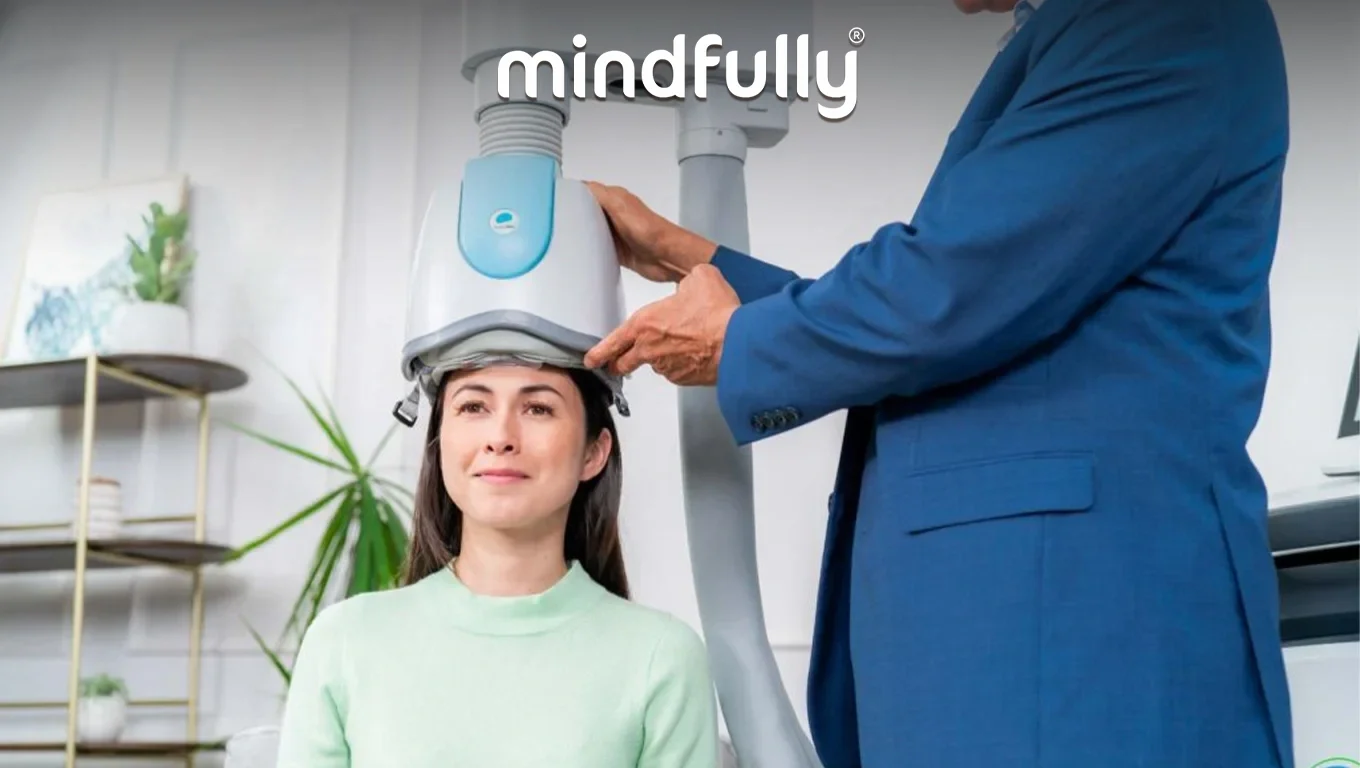
Deep TMS offered by Mindfully Fairfield utilizes a specialized cushioned helmet containing an H-Coil. This technology allows the magnetic pulses to reach deeper (1.25 inches) and cover a wider volume of the brain.
- Why this matters for candidacy: If you have severe depression or have failed standard TMS in the past, the deeper and broader penetration of Deep TMS helps ensure the correct brain structures are stimulated, reducing the risk of targeting errors. Real-world data from over 1,000 patients showed that approximately 4 out of 5 achieved a beneficial clinical response with this method.
Candidates with “Anxious Depression”
Depression rarely travels alone. Many people battling MDD also suffer from debilitating anxiety. In the past, this complexity made treatment difficult. However, FDA clearances now specifically indicate Deep TMS for the treatment of depressive episodes accompanied by anxiety symptoms.
If your depression manifests with racing thoughts, physical tension, and excessive worry, you are still an excellent candidate. The treatment protocol can be tailored to address the mood regulation neural networks that influence both depression and anxiety.
Who Should Not Consider TMS Therapy (Safety Criteria)
While TMS is safe and well-tolerated, patient safety is the absolute priority. Because the treatment involves a magnetic field (similar to an MRI), certain physical conditions may exclude you from eligibility.
You are likely not a candidate if you have:
- Non-Removable Metal in the Cranium: This includes cochlear implants, deep brain stimulators, vagus nerve stimulators, aneurysm clips, or shrapnel/bullet fragments near the head. (Note: Standard dental fillings, braces, and titanium plates in the jaw are generally safe and do not disqualify you).
- History of Seizures: TMS stimulates electrical activity in the brain. Therefore, individuals with epilepsy or a history of seizure disorders are generally advised against this therapy to avoid the risk of inducing a seizure, although this is a rare occurrence.
- Active Substance Withdrawal: To ensure the brain responds correctly to stimulation, candidates should be free from active substance abuse or acute withdrawal states.
Prioritizing Mental Health During TMS Treatments
Being a “good candidate” isn’t just about your medical history; it’s also about your lifestyle and readiness to commit to the process. Unlike a pill you take once a day, TMS is a therapy you show up for.
- The Standard Routine: A typical course involves daily sessions (5 days a week) for about 4 to 6 weeks. Each session lasts roughly 20 minutes.
- You are a good candidate if you can prioritize your mental health enough to make these appointments. Since there is no anesthesia and no recovery time, you can drive yourself to and from the clinic, making it easier to fit into a work or school day.
Navigating Insurance and Medicare Coverage
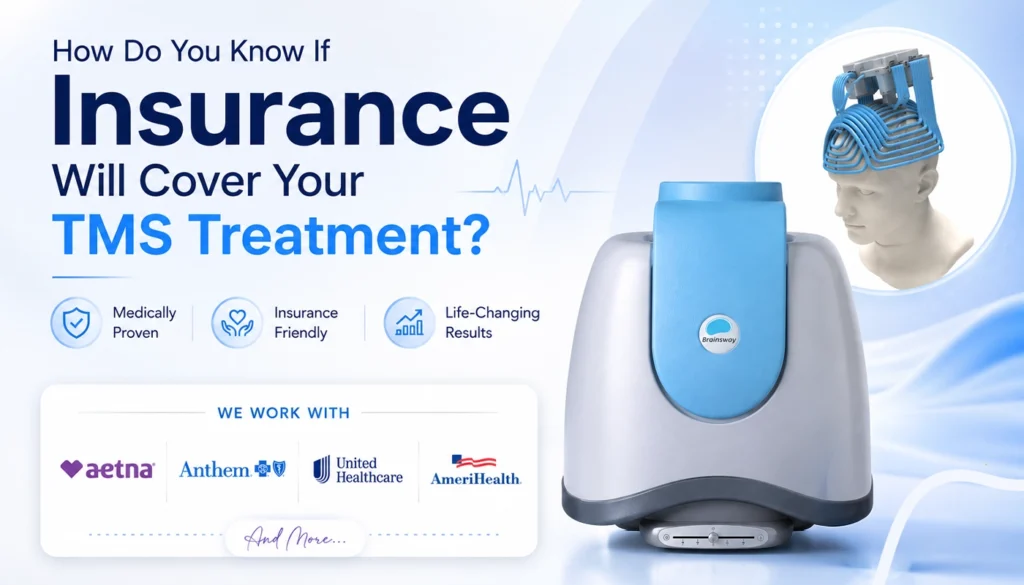
Finally, let’s navigate another practical side: coverage. It is natural to feel a bit of hesitation about the cost of advanced care, but there is reassuring news. Medicare Part B typically covers TMS for patients who haven’t found relief with standard antidepressants.
Eligibility and Immediate Access
Qualifying is often more straightforward than expected. Generally, you simply need a confirmed diagnosis of Major Depressive Disorder and a history of trying at least one medication that didn’t work for you.
One of the greatest comforts for Medicare beneficiaries is that there is often no waiting period. Unlike private insurance that requires lengthy pre-approvals, traditional Medicare usually allows you to begin your healing journey almost immediately after assessment.
Costs and Convenience
With Medicare typically covering 80% of costs (and Medigap often covering the rest), the financial burden is significantly reduced. You may also have the option of an “Accelerated TMS“, allowing you to complete your full treatment course in half the time.
For a deeper look into your specific benefits and how to get started, please explore our detailed guide on tms coverage by medicare. We are here to make this process as simple as possible for you.
Final Thoughts: Taking the Next Step
The most important qualification for TMS therapy is the desire to get better. If you are tired of the numbness of depression, frustrated by the side effects of medication, or simply feel like you are waiting for a breakthrough that hasn’t come, you are the person this technology was built for.
Healing is not a linear process, and needing advanced help is not a sign of failure but resilience. If you see yourself in the descriptions above, we encourage you to reach out. A consultation with a certified provider can turn these criteria into a concrete plan, helping you bridge the gap between where you are and where you deserve to be.